Posted on 9/25/2026
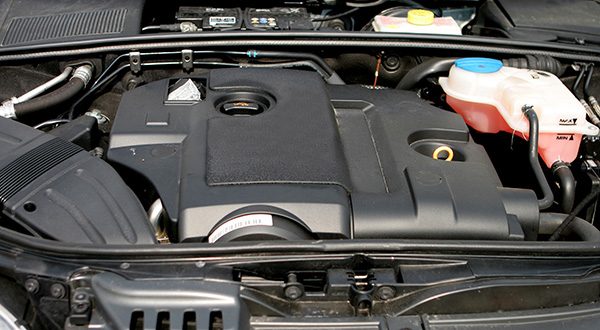
On many Audi and Volkswagen engines, the PCV system does much more than most drivers realize. It controls crankcase pressure, routes fuel vapors back into the intake, and helps keep oil from being pushed past seals and gaskets. When the PCV valve or diaphragm starts failing, the symptoms can look like several different engine problems at once. Rough idle, oil leaks, whistling noises, increased oil use, and check engine lights can all trace back to the same system. Because we specialize only in Volkswagen and Audi vehicles, this is one of those problems we know to look for early when the symptoms fit. The PCV System Controls Pressure Inside the Engine Every engine creates some combustion gases that slip past the piston rings and enter the crankcase. The PCV system pulls those gases out and sends them back through the intake so they can be burned instead of building pressure inside the engine. On many VW and Audi engines, that system uses a diaphragm and internal pas ... read more
Posted on 8/28/2026

Some drivers sit close to the steering wheel because it feels easier to reach the pedals, see the front of the vehicle, or control the wheel. Others developed the habit while learning to drive and never adjusted their position as their confidence increased. Sitting too close can restrict steering movement, increase fatigue, and place the driver too near the airbag. A correct seating position should provide full pedal control while leaving enough room for the arms, legs, and safety systems to work as designed. Why Sitting Close Can Feel More Comfortable Drivers often move forward when they cannot press the pedals firmly without stretching. This is common when the seatback is reclined too far, the steering wheel is positioned incorrectly, or the driver has shorter legs. Moving the entire seat toward the steering wheel may seem like the easiest correction. Some drivers also believe that sitting close gives them greater control. Their elbows remain deeply bent, the whe ... read more
Posted on 7/31/2026
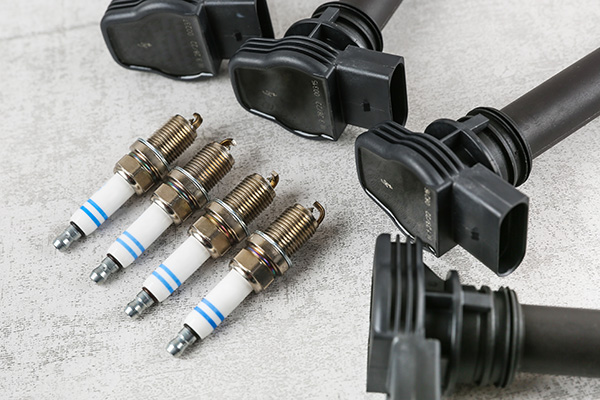
Audi and Volkswagen engines can feel sharp and responsive when the ignition system is working correctly. The engine starts cleanly, idles evenly, and pulls without hesitation. When an ignition coil or spark plug starts failing, that feel can change quickly. The tricky part is that ignition problems do not always manifest the same way. One driver may notice a rough idle. Another may feel the engine shake under acceleration. Another may only see a flashing check engine light. Since Audi and Volkswagen models often use coil-on-plug ignition systems, a single weak coil or worn plug can make the whole engine feel off. What Spark Plugs And Ignition Coils Do Spark plugs ignite the air-fuel mixture in each cylinder. Ignition coils create the high voltage needed for that spark. On many Audi and Volkswagen engines, each cylinder has its own coil sitting directly over the spark plug. That setup works well when everything is healthy. It also means one failing coil can affect o ... read more
Posted on 6/26/2026

A DSG transmission can make an Audi or VW feel quick, responsive, and fun to drive when everything is working correctly. The shifts are fast, the power delivery feels sharp, and the car has a different feel than a traditional automatic. That is part of why drivers like these transmissions so much. The tradeoff is that DSG systems need the right service and the right repair approach. They use clutches, mechatronic controls, fluid pressure, sensors, and electronics that all have to work together. When one part starts falling behind, the symptoms can feel small at first, then become much harder to ignore. 1. Delayed Engagement When Shifting Into Drive Or Reverse One common DSG complaint is a delay when shifting from Park into Drive or Reverse. The driver selects the gear, but the car takes a moment before it feels ready to move. Sometimes it is paired with a bump, hesitation, or uneven takeoff. A short delay can come from fluid condition, clutch adaptation, mechatroni ... read more
Posted on 5/29/2026

Audi SUVs can feel refined even when something underneath is starting to wear. That is part of what makes early problems easy to ignore. The vehicle still feels solid, the cabin stays quiet, and the first warning sign might be small enough to put off for another week. The better move is to know which issues tend to show up and what they feel like from the driver’s seat. Catching those clues early can keep the repair more focused and help the vehicle stay dependable. 1. Oil Leaks Around The Engine Oil leaks are common on many Audi SUVs as gaskets, seals, and housings age. A driver might first notice a burning smell after parking, a few drops under the vehicle, or oily residue around the engine. In some cases, the leak is small enough that it does not leave a clear puddle right away. That does not make it harmless. Oil can drip onto hot exhaust parts, collect dirt, soften rubber components, and lower the oil level over time. If the engine starts running low on ... read more
Posted on 4/30/2026

Audi has built a strong SUV lineup by balancing something many brands struggle with. The vehicles feel upscale and athletic, but they still cover very different needs. Some buyers want a compact daily driver. Some want family space. Others want a more design-heavy luxury SUV or an electric option that still feels like an Audi. Right now, the most talked-about Audi SUV models are those that address those needs most clearly. Audi’s current U.S. SUV lineup includes the Q3, Q4 e-tron, Q5, Q7, and Q8 families, and each one fills a slightly different role. Why Audi SUVs Stay So Popular Audi SUVs keep drawing attention because the lineup is broad without feeling random. There is a clear step from compact to midsize to three-row to flagship, and Audi has also kept electric options in the mix. That makes it easier for shoppers to stay inside the brand even when their needs change. The popularity side isn't evenly distributed, though. Some models clearly sit closer ... read more
Posted on 3/27/2026
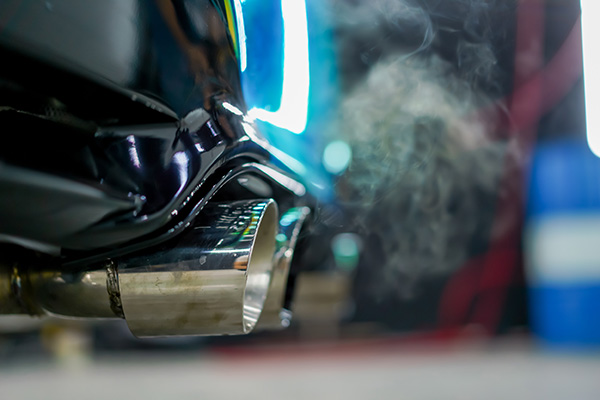
Thick white smoke can be one of the most confusing symptoms because it is easy to misread from the driver’s seat. Some situations are harmless and temporary, while others indicate the engine is pushing fluid where it does not belong. The hardest part is that the car may still feel okay while the exhaust looks completely wrong. The goal is to sort the harmless from the urgent without guessing. What White Smoke Usually Indicates White smoke is usually vapor, but the source of that vapor matters. Exhaust always carries some moisture, and under the right conditions, it can look dramatic. When it turns thick, lingers, and keeps coming, it often points to something entering the exhaust stream that should not be there. Pay attention to three things: how long it lasts, whether it has a sweet smell, and whether the smoke hangs in the air. Those details do more for troubleshooting than trying to identify the problem by color alone. When It Is Just Condensation ... read more
Posted on 2/27/2026

A used Volkswagen SUV can be a great buy when it has been cared for, but the details matter more than most sellers admit. Two SUVs can look identical on the outside and still have very different repair bills beneath the surface. If you do a few smart checks before you commit, you can usually tell whether you are buying a solid daily driver or inheriting someone else’s skipped service. 1. Service Records And Regular Maintenance Clues Ask for records showing consistent oil changes, fluid services, and scheduled maintenance, not just one receipt right before the sale. A clean timeline often tells you more than a low odometer reading, especially on SUVs that do lots of short trips. If paperwork is missing, look for indirect clues. Clean fluid condition, matching tire brands, and no overdue warning messages can suggest the owner stayed on top of things. 2. Turbo Feel, Hesitation, And Power Delivery ... read more
Posted on 1/30/2026

Coolant leaks on Audi and VW vehicles have a way of starting small and staying hidden. You might notice the level dropping a little between top-offs, or catch a sweet smell after parking, but never see a puddle. Then one day the temperature climbs, the heater goes cold, or a warning pops up right when you’re stuck in traffic. If you know the usual leak points, you can catch a small seep before it turns into an overheating event or a repeat coolant fill habit. Why Coolant Leaks On Audi And VW Can Be Hard To Spot A lot of these engines package cooling parts tightly. Coolant lines and housings are tucked under covers, behind the engine, or down low where the leak hits a hot surface and evaporates. That leaves behind crusty residue instead of a clear drip. Some leaks also show up only when the system is hot and under pressure, then look dry once everything cools off. Another factor is that many modern systems use plastic housings and quick-connect fittings. They ... read more
Posted on 12/19/2025

When you pull up to the pump and see three different prices for gasoline, it is natural to wonder whether your Audi really needs the expensive one. Some drivers swear premium fuel is the only way to go, others quietly fill with regular fuel and say they have no problems. Modern engines are smart enough to adapt a bit, but they still have limits. Knowing what premium fuel actually does, and what your specific engine expects, helps you make a smarter decision. What “Premium” Gas Actually Means Premium gasoline is mostly about octane, not about extra power or special cleaning magic. Octane is simply a measure of how resistant the fuel is to knocking, which is early, uncontrolled combustion in the cylinder. The higher the octane number, the more compression and heat the fuel can take before it starts to knock. At most pumps in the U.S., you will see something like this: Regular: usually around 87 octane Midgrade: often around 89 octane Premium: commonly ... read more