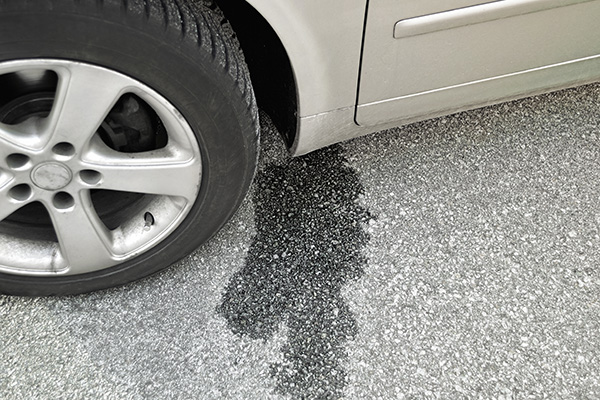
Coolant leaks on Audi and VW vehicles have a way of starting small and staying hidden. You might notice the level dropping a little between top-offs, or catch a sweet smell after parking, but never see a puddle. Then one day the temperature climbs, the heater goes cold, or a warning pops up right when you’re stuck in traffic.
If you know the usual leak points, you can catch a small seep before it turns into an overheating event or a repeat coolant fill habit.
Why Coolant Leaks On Audi And VW Can Be Hard To Spot
A lot of these engines package cooling parts tightly. Coolant lines and housings are tucked under covers, behind the engine, or down low where the leak hits a hot surface and evaporates. That leaves behind crusty residue instead of a clear drip. Some leaks also show up only when the system is hot and under pressure, then look dry once everything cools off.
Another factor is that many modern systems use plastic housings and quick-connect fittings. They work well until they don’t. Heat cycles and age can create small cracks or weak seals that seep for a while before they give up completely.
1. Water Pump Seepage And Seal Wear
Water pumps are a common source, especially once the vehicle has some miles on it. The pump seal can start leaking slowly, and the coolant may dry on the engine leaving a white or pink crust depending on the coolant type. Some pumps have a weep hole that leaks when the seal begins to fail, which is basically an early warning built into the design.
Drivers may notice a sweet smell after driving, a low coolant warning that returns, or dampness near the front of the engine. The key is not ignoring it. A pump that seeps often gets worse rather than staying stable.
2. Thermostat Housing Leaks And Plastic Cracks
Thermostat housings on many Audi and VW setups are plastic, and they live in a hot environment. Over time, the housing can warp or crack, or the gasket can start leaking. The leak might be slow at first, then get worse during colder mornings or after long drives when pressure is higher.
If you see residue around the housing area or smell coolant that comes and goes, this is one of the first places we look. It’s a classic “small leak that becomes a bigger leak” situation.
3. Coolant Flange And Connector Seal Failure
Coolant flanges and connectors are another frequent culprit. These are often mounted on the cylinder head or near the firewall, and they use seals that get hard over time. When they start leaking, coolant can run down the back of the engine and make it look like a completely different part is failing.
Because the location is awkward, you may not see a drip on the ground. Instead, you get a coolant smell, residue, or a low coolant warning that keeps coming back even after topping off.
4. Radiator End Tank Seepage Or Impact Damage
Radiators can leak at the seams where the end tanks meet the core, or from impacts and corrosion, depending on road conditions. Even a small crack can leak more when the system is hot, then stop when it's cold. That makes it easy to miss unless the leak is actively happening.
If you notice coolant residue at the radiator corners or dampness in the lower front area, the radiator is a strong suspect. A pressure test usually makes these leaks show themselves quickly.
5. Hose Connections, Quick-Connect Fittings, And Clamp Issues
Audi and VW coolant hoses often use quick-connect fittings with seals that age and harden. Sometimes the hose itself is fine, but the seal at the connection starts to seep. Other times, the hose swells or softens near the clamp area, especially if it has been overheated in the past.
Leaks here can be misleading because coolant can spray slightly under pressure and land on nearby parts. The result is residue in places that don’t look like the true source. That’s why careful inspection matters.
6. Heater Core Or Cabin-Side Leaks
This one is less common than the others, but it’s important because it can create a mess quickly. A heater core leak can show up as a sweet smell inside the cabin, foggy windows, or damp carpet on the passenger side. In some cases, you might notice poor heat because coolant flow through the heater core is compromised.
If you’re losing coolant and the inside of the car smells sweet, don’t ignore it. Cabin leaks can damage interior materials and can be uncomfortable to drive with, even before the coolant level becomes a bigger issue.
A Practical Plan To Catch The Leak Before It Escalates
If you’re topping off coolant or getting repeat low coolant warnings, the leak isn’t optional, it’s already happening. Check the level when the engine is cold and pay attention to any sweet smell after driving. If the heater output changes or the temperature gauge starts behaving differently, move it up the priority list.
In most cases, the fastest way to pinpoint the source is a pressure test, sometimes paired with dye if the leak is intermittent. That testing helps avoid guessing parts, which is especially important on these engines, where multiple leak points can look similar at first glance.
Get Coolant Leak Service in Pasadena, CA, with European Auto Hause
If your Audi or VW is losing coolant, smelling sweet after driving, or giving you low coolant warnings, it’s worth finding the source before overheating becomes part of the story. We’ll inspect the common leak points, pressure test the system, and recommend the right repair based on what we see.
Get coolant leak service in Pasadena, CA, with European Auto Hause, and we’ll help you stop the leak before it turns into a bigger, more expensive repair.