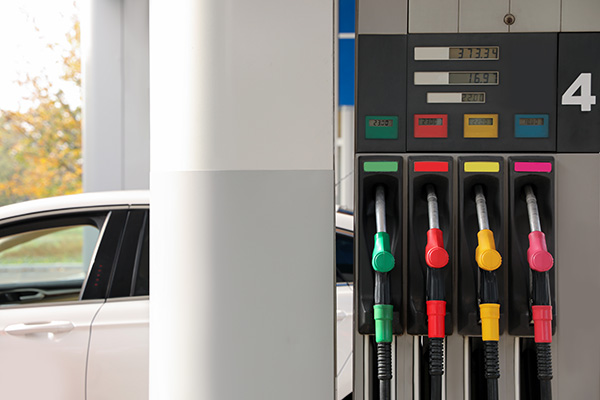
When you pull up to the pump and see three different prices for gasoline, it is natural to wonder whether your Audi really needs the expensive one. Some drivers swear premium fuel is the only way to go, others quietly fill with regular fuel and say they have no problems. Modern engines are smart enough to adapt a bit, but they still have limits. Knowing what premium fuel actually does, and what your specific engine expects, helps you make a smarter decision.
What “Premium” Gas Actually Means
Premium gasoline is mostly about octane, not about extra power or special cleaning magic. Octane is simply a measure of how resistant the fuel is to knocking, which is early, uncontrolled combustion in the cylinder. The higher the octane number, the more compression and heat the fuel can take before it starts to knock.
At most pumps in the U.S., you will see something like this:
- Regular: usually around 87 octane
- Midgrade: often around 89 octane
- Premium: commonly 91 to 93 octane
Those numbers do not tell you everything about detergent levels or brand quality, but they do matter for how your Audi’s engine can safely run under load.
How Your Audi’s Engine Uses Octane
Many Audi engines use higher compression ratios and turbocharging to make strong power from relatively small displacement. That design depends on fuel that can handle higher pressure and temperature without knocking. Knock sensors and the engine computer constantly listen for any sign of detonation and adjust timing and boost to protect the engine.
With the right octane, the computer can keep timing and boost closer to the ideal settings. If the octane is too low, it has to pull timing and sometimes cut boost to keep things safe. You feel that as reduced power, lazier throttle response, and sometimes roughness under hard acceleration. Over time, running fuel that is below the recommended grade can also increase carbon buildup and stress on internal parts.
When Premium Gas Is Required, Not Optional
The clearest answer is in your owner’s manual and inside the fuel door. Many Audi models have language that says “Premium unleaded fuel required” along with a specific octane number. When the word “required” is used, the engine was designed and calibrated around that fuel. Regular or midgrade is not just a suggestion away; it is outside the conditions under which the engine was tested.
Other models say “Premium recommended.” In those cases, the engine will usually run on lower octane without immediate damage, but it will not deliver the same performance and may feel less responsive. We often remind drivers that those notes are not just legal fine print. They come from how the engine was engineered and tested in real conditions.
What Happens If You Put Regular Gas in a Premium Engine
Using regular fuel in an engine that was built for premium will not cause instant failure, especially if you drive gently. The knock sensors will hear early signs of detonation and the computer will pull timing to protect the engine. The tradeoff is that you lose some of the performance and efficiency you paid for when you chose that car.
Under heavier loads, such as highway passing, steep hills, or hot weather, the engine may have to pull timing more aggressively. You might notice:
In extreme cases, long-term use of low-octane fuel under heavy load can contribute to higher internal temperatures and more carbon buildup. That is why the safest choice for a required-premium engine is to stick with what the manual calls for.
When Midgrade or Regular Might Be Acceptable
There are a few situations where stepping down in octane may be less risky, as long as you understand the tradeoffs. Some older, naturally aspirated Audi engines that only “recommend” premium can tolerate midgrade for light daily driving without obvious problems. If you rarely use full throttle, live at lower elevations, and drive mostly around town, the engine will probably adapt without knocking.
Even then, it pays to listen closely. If you ever hear pinging, feel strong hesitation, or notice a big drop in power, it is a sign that the octane is too low for how you are driving. In those cases, moving back to premium is the safer move. For turbocharged engines that clearly require premium, we do not advise dropping to regular except in a true emergency when no other fuel is available.
Owner Habits That Affect Fuel Quality and Performance
Octane is only part of the fuel story. A few habits can help your Audi run better on whatever grade you choose within the recommended range:
- Use stations with good turnover so fuel is fresher, especially for higher octane pumps.
- Avoid running the tank extremely low all the time, which can heat the fuel and strain the pump.
- Pay attention to any changes in how the car feels after switching brands or grades.
- Do not mix in random additives without a clear reason, since some can leave deposits.
- Keep up with basic maintenance like spark plugs and air filters so the engine can use the fuel properly.
- When we talk to owners about fuel, we like to look at how the car is driven, not just what is written on the receipt.
Get Audi Fuel Advice and Performance Checks in Pasadena, CA with European Auto Hause
We work with Audi and VW vehicles every day and see how different fuel choices show up in real-world performance and long-term reliability. We can look over your engine, check for carbon buildup or knock-related issues, and give straightforward advice on what fuel grade makes sense for your model and driving style.
Call European Auto Hause in Pasadena, CA, to schedule a visit and keep your Audi running the way it was designed to.